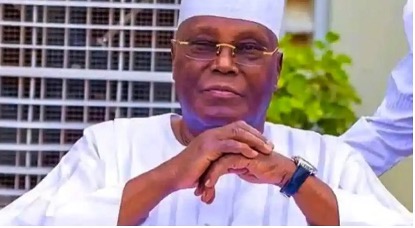
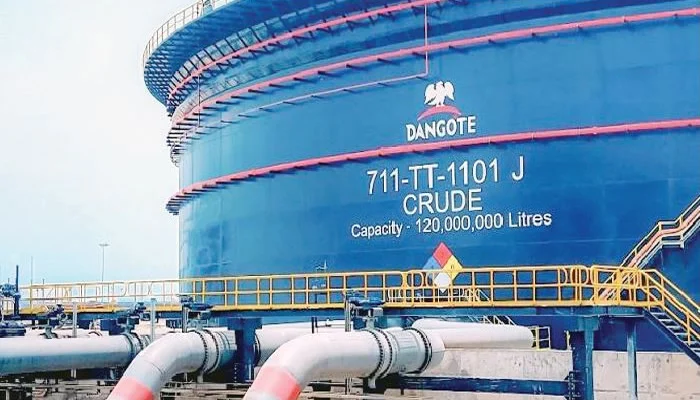
Aliko Dangote, Africa’s richest man and founder of the Dangote Group, has reignited his ongoing battle with Nigeria’s oil sector regulator, the Nigerian Midstream and Downstream Petroleum Regulatory Authority (NMDPRA). What began as a dispute over the country’s reliance on imported fuel has escalated into a power struggle with far-reaching consequences for the Nigerian economy and the future of its oil industry. Dangote, whose refinery is expected to significantly reshape Nigeria’s oil sector, accuses the NMDPRA of undermining his business by allowing excessive fuel imports despite his refinery’s capacity to meet local demand.
The Growing Tensions Between Dangote and NMDPRA
The conflict between Dangote and the NMDPRA dates back to the completion of Dangote’s multi-billion-dollar refinery, which began operations in 2024. With a capacity of 650,000 barrels per day, the Dangote refinery was expected to reduce Nigeria’s dependence on imported fuel, create jobs, and improve the country’s energy security. However, despite the refinery’s production capabilities, Dangote has repeatedly criticized the regulator for permitting fuel imports, which he claims undermine his efforts to supply the domestic market.
In recent comments, Dangote described the volume of fuel imports as “unethical” and accused powerful interests in the oil sector of undermining the national economy. He argued that the continued importation of fuel, despite the refinery’s potential to meet local demand, violates the principles of the Petroleum Industry Act (PIA), which aims to promote domestic refining and reduce reliance on foreign fuel.
NMDPRA’s Position: The Need for Fuel Imports
The NMDPRA, the government body responsible for regulating Nigeria’s oil sector, has defended its stance on fuel imports, arguing that they are essential to meet the country’s energy needs. Despite the Dangote refinery’s capacity, the NMDPRA maintains that there are gaps in local production, which necessitate the continued importation of fuel to ensure stable supply.
According to the NMDPRA’s latest report, fuel imports surged in November 2025, reflecting the ongoing demand for imported products in the face of local production constraints. The regulator has emphasized that fuel imports are a temporary necessity until domestic refineries, including Dangote’s, are fully capable of meeting the country’s needs. The NMDPRA has also pointed out that the market dynamics require flexibility in ensuring the steady flow of fuel to meet consumer demand.
Allegations of Corruption and Mismanagement
The latest escalation in the Dangote-NMDPRA feud has included serious allegations of corruption and mismanagement. Dangote has accused Ahmed Farouk, the head of the NMDPRA, of ethical violations, particularly regarding his spending on foreign education for his children. Dangote has called for an investigation into these allegations, which he claims amount to “economic sabotage.”
This move has added a new layer of complexity to the already contentious issue, with Dangote’s camp accusing the regulator of being complicit in undermining Nigeria’s oil sector for personal gain. However, the NMDPRA has dismissed these allegations, with spokesperson George Ene-Ita stating that such claims should be substantiated with evidence and forensic analysis.
Legal and Financial Implications
The feud between Dangote and the NMDPRA has not been confined to public statements. In the past, Dangote withdrew a ₦100 billion lawsuit against the NMDPRA, Nigerian National Petroleum Company (NNPC), and several fuel marketers over accusations that they were importing substandard fuel. The case highlighted the deep divide between the billionaire tycoon and the key players in Nigeria’s oil sector.
The legal battle has brought attention to the challenges facing Nigeria’s downstream oil sector, where Dangote’s refinery aims to reshape the market but is facing resistance from entrenched interests. The ongoing legal and regulatory disputes raise critical questions about the future of Nigeria’s oil industry and whether it can successfully transition to greater self-sufficiency in fuel production.
Nigeria’s Economic and Energy Future
Nigeria, Africa’s largest oil producer, has long struggled with a dependence on imported petroleum products, despite being an oil-rich nation. The country’s four government-owned refineries have been largely dormant due to years of underinvestment and mismanagement. This has forced Nigeria to import most of its fuel, resulting in high costs and frequent shortages. The opening of Dangote’s refinery was seen as a game-changer for Nigeria’s energy security, offering the potential to provide affordable and locally sourced fuel for the domestic market.
However, the ongoing conflict between Dangote and the NMDPRA underscores the broader challenges facing Nigeria’s oil sector. Despite the potential benefits of local refining, the sector remains rife with competition, political influence, and regulatory hurdles. In addition to Dangote’s refinery, there are other private refineries that aim to meet local demand, but many of them face similar challenges in dealing with regulatory bodies and established market players.
The Role of Policy and Regulation in Nigeria’s Oil Sector
The Petroleum Industry Act (PIA), which was passed in 2021, was intended to reform Nigeria’s oil sector by promoting transparency, encouraging investment in local refining, and reducing reliance on imported fuel. However, the current conflict between Dangote and the NMDPRA raises questions about how effectively these reforms are being implemented.
Industry analysts argue that the success of Dangote’s refinery and other local refineries hinges on creating a stable and predictable regulatory environment. In particular, they stress the need for a clear policy on fuel imports and domestic production, one that balances the interests of domestic producers like Dangote with the reality of ongoing demand for imported fuel. Without such clarity, Nigeria may continue to face the challenges of underutilized refineries and continued dependence on imports.
The Path Forward for Nigeria’s Oil Industry
The power struggle between Aliko Dangote and the NMDPRA is just one example of the many challenges facing Nigeria’s oil industry. While Dangote’s refinery holds the potential to revolutionize the sector and reduce the country’s reliance on imported fuel, the ongoing regulatory disputes underscore the complexity of Nigeria’s energy sector.
For Nigeria to achieve its long-term energy goals, it will need to address these regulatory conflicts and create an environment that encourages both domestic refining and fair competition. This will require cooperation between industry leaders, regulators, and policymakers to ensure that the country’s oil sector can thrive while providing affordable and sustainable energy to its people.