Nigeria’s private sector closed 2025 with sustained momentum. Business activity expanded for a thirteenth consecutive month in December, signaling cautious optimism. This growth was driven by resilient consumer demand and improved business confidence. However, inflationary pressures and tight financial conditions continue to challenge firms. The data suggests Africa’s largest economy is finding firmer ground after a period of significant stress.
Key Drivers of the Sustained Expansion
The latest Stanbic IBTC Purchasing Managers’ Index (PMI) shows a clear trend. Business conditions improved steadily throughout the year. Activity in December hit a 13-month high, supported by festive season spending. This private sector growth was broad-based across agriculture, manufacturing, services, and trade.
The primary engine was stronger customer demand. Consequently, new orders rose for a fourteenth straight month. This encouraged firms to increase output and rebuild inventories. Muyiwa Oni of Stanbic IBTC noted the expansion remained “firmly positive.” He linked it directly to robust demand.
A Shift in Business Sentiment
Psychologically, the return of demand is significant. After years of currency instability and high costs, companies are planning longer-term. Business confidence climbed to a six-month high in December. Nearly 60% of firms expressed optimism. Many now plan to expand operations, open new branches, and boost exports. This indicates a tentative shift from survival mode to cautious expansion.
The Limits and Risks of the Recovery
The recovery has clear constraints. Employment growth tells part of the story. While companies added staff, the pace of job creation slowed to its weakest since mid-2025. Executives remain wary of large payroll expansions. High borrowing costs and uncertain consumer purchasing power drive this caution.
Inflation remains a major headwind. Oni projects an annual inflation rate of 32.34% for December 2025. Although this shows moderation from earlier peaks, price pressures persist. Furthermore, security concerns and infrastructure gaps continue to weigh on productivity.
Economic Outlook for 2026
The steady PMI improvement supports a positive transition. Stanbic IBTC forecasts economic growth of about 3.8% in 2025. It should accelerate to just over 4% in 2026. This projection relies on stronger manufacturing, services output, and infrastructure development.
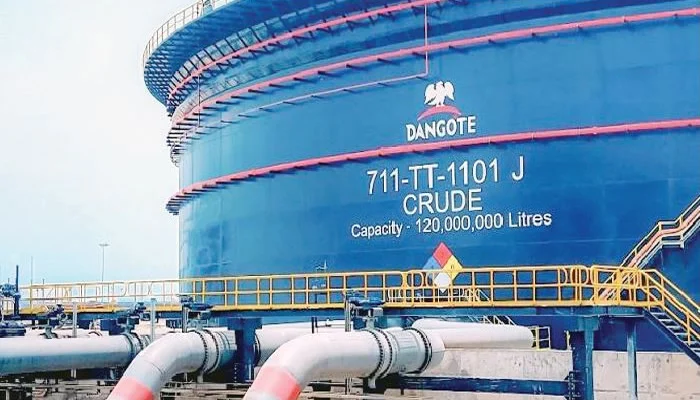
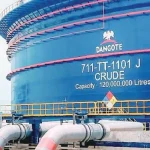
Crucially, 2026’s outlook depends on external factors. Lower interest rates, exchange-rate stability, and the Dangote refinery’s role in fuel supply are key. These factors could ease cost pressures and improve forex availability. Therefore, they might reduce operational uncertainty for businesses.
For detailed economic analysis, follow our Nigeria market monitor. The full PMI report is available from Stanbic IBTC Bank.
In conclusion, Nigeria’s private sector growth is a promising sign of resilience. Consumer demand is providing a vital foundation. However, the recovery is measured and faces substantial risks. Sustained expansion will require continued demand, easing inflation, and supportive policy to translate business optimism into broader job creation and investment.