Recent developments in Venezuela have drawn global attention. Following the arrest of President Nicolás Maduro by U.S. forces, President Donald Trump announced that the United States would take control of Venezuelan oil production. The U.S. also imposed a temporary blockade on Venezuelan oil exports and seized several tankers.Despite the headlines, energy experts say these moves are unlikely to meaningfully reduce fuel prices for American consumers.
Venezuela’s Oil Industry in Decline
Venezuela’s oil sector has been in steady decline for more than two decades. The downturn began in the late 1990s, when global oil prices collapsed and political changes reshaped the industry under President Hugo Chávez.
In 2002, mass protests and a failed coup disrupted operations at the state oil company, Petróleos de Venezuela (PDVSA). Chávez later dismissed about 20,000 experienced oil workers, triggering a long-term skills drain.
The situation worsened in 2007, when the government seized oil assets from ExxonMobil and ConocoPhillips after the companies rejected less profitable contract terms. Following Chávez’s death in 2013, mismanagement, corruption, and economic collapse accelerated the industry’s deterioration.
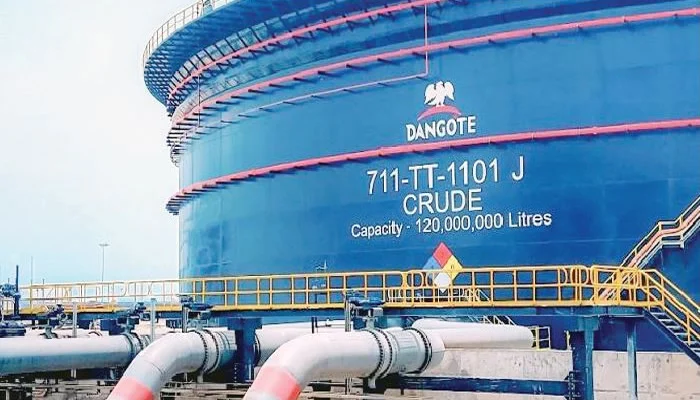
By 2018, reports emerged of oil facilities being stripped of equipment and metals. U.S. sanctions further reduced output. By 2025, Venezuela was producing about 840,000 barrels per day, down sharply from 3.5 million barrels per day in 1997.
Also read: Venezuelan Oil Prices Surge 30% Higher Following US Market Changes
Limited Impact on Global Oil Prices
Oil prices in the United States are driven by global supply and demand. While changes in exports from major producers can affect prices, Venezuela’s current production levels are too low to make a major difference.
Global oil markets are already oversupplied. As a result, even a modest increase in Venezuelan exports is unlikely to push prices down significantly. Analysts say U.S. consumers should not expect noticeable savings at the pump.
Also read: Strait of Hormuz Oil Risk Rises as U.S. Weighs Action on Iran
Venezuela also does not export natural gas. While future development of offshore gas fields could add to global supply, any impact would be long-term and gradual.
US Refineries and Venezuelan Crude
U.S. Gulf Coast refineries are among the few in the world capable of processing Venezuela’s heavy crude oil. Companies such as Chevron, Valero, and Phillips 66 already import limited volumes.
Before Maduro’s arrest, most Venezuelan oil went to China, with about 200,000 barrels per day entering the U.S. under special licenses. President Trump has said the U.S. could receive 30 to 50 million barrels of Venezuelan oil, equivalent to only a few days of U.S. production.
While this could slightly boost refinery profits and exports of refined fuels, it is unlikely to lower domestic fuel prices due to existing supply levels and refinery capacity limits.
Effects on US Oil Producers
Any long-term recovery in Venezuelan production would take years, if not decades. Even optimistic estimates suggest significant investment would be required to raise output meaningfully.
U.S. shale producers generally remain profitable when oil prices stay above $50 per barrel, a level maintained since 2021. U.S. oil production reached 13.8 million barrels per day in late 2025 and is expected to rise modestly in 2026 if prices remain stable.
Historically, large increases in global supply have sometimes led to price crashes, especially when OPEC members fail to coordinate production. Such scenarios could benefit consumers but hurt producers.
China’s Strategic Calculations
China imports roughly 11 million barrels of oil per day, with about 500,000 to 600,000 barrels coming from Venezuela. While Venezuela is an important supplier, China can source oil elsewhere, including from Russia and Iran.
The broader concern is geopolitical. Analysts suggest China may view U.S. intervention in Venezuela as a precedent, potentially influencing Beijing’s approach to Taiwan and regional security issues.While the unlocking of Venezuelan oil may shift trade flows and benefit some refiners, it is unlikely to have a meaningful impact on U.S. energy prices in the short term. Venezuela’s production remains too low, global markets are already well supplied, and structural challenges persist across the industry.